SVG
Organized by
About us
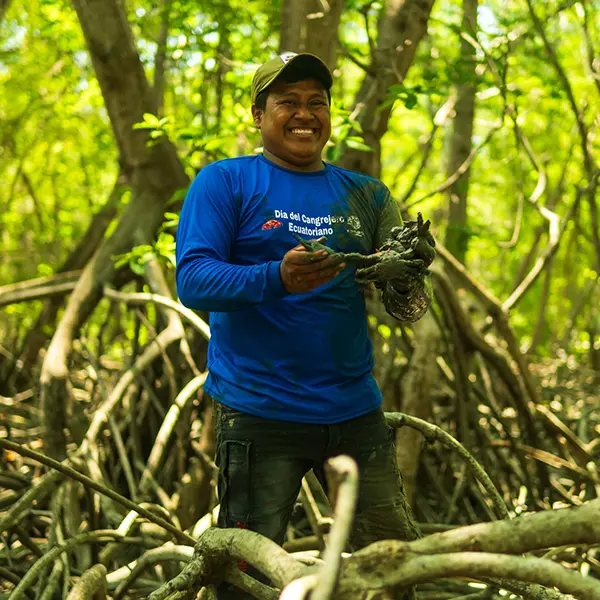
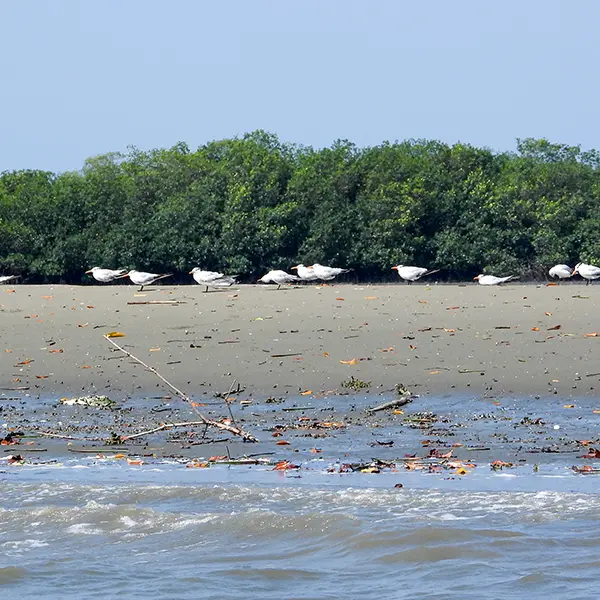
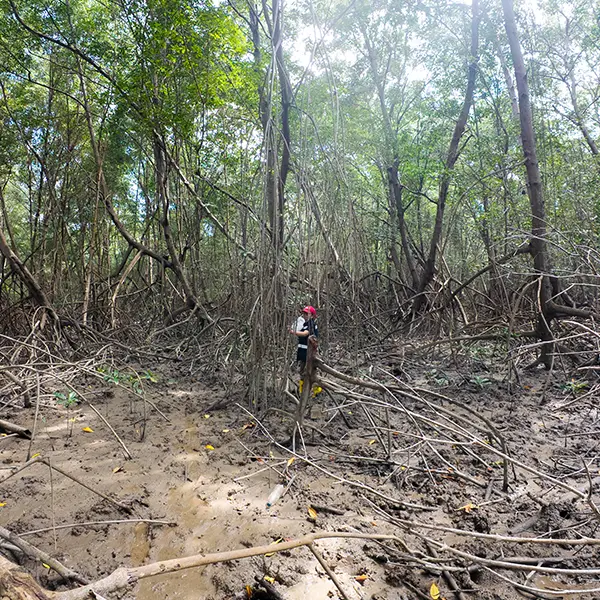
“Planeta Manglar” is based in its four thematic areas. Ecuadorian mangroves are a key ecosystem for global biodiversity and climate change adaptation. Community-based mangrove management in Ecuador is a recognized model that can be shared and strengthened through international dialogue. In addition, mangrove ecosystem services support food security, provide coastal protection, and sustain the livelihoods of coastal communities, particularly in the Gulf of Guayaquil. Finally, the blue economy component makes it possible to connect conservation, local development, and sustainable innovation at regional and global scales.
Image
Image
Image
Thematic Areas
SVG
Biodiversity
This thematic axis analyzes the biodiversity associated with mangrove ecosystems, considering the diversity of flora, fauna, and microorganisms, their ecological interactions, and their fundamental role in the functioning and resilience of these coastal ecosystems. It integrates contributions aimed at conservation and their relevance for species protection and the fulfillment of the Sustainable Development Goals related to ecosystem conservation and climate action.
SVG
Mangrove Resource Management and Community
This thematic axis analyzes the set of technical, social, and environmental strategies aimed at the conservation, sustainable use, and restoration of ecosystems, actively integrating local communities that depend directly or indirectly on this resource.
SVG
Ecosystem Services
In the Ecosystem Services thematic area, experts are expected to provide up-to-date scientific evidence, national and international case studies, valuation tools, and integrated approaches. These contributions should translate mangrove ecosystem services into clear arguments for public policy, strengthening decision-making in local management and the effective conservation of mangroves in Ecuador.
SVG
Blue Economy
Ecuador invites the international community to lead the Blue Economy model, centered on mangrove restoration as climate and economic solutions. The country offers a strategic ecosystem to transform scientific research and financial innovation into measurable and scalable results. Participating in this initiative means turning natural infrastructure into coastal resilience and global sustainability standards.
Image
Mayo 18–20,
2026
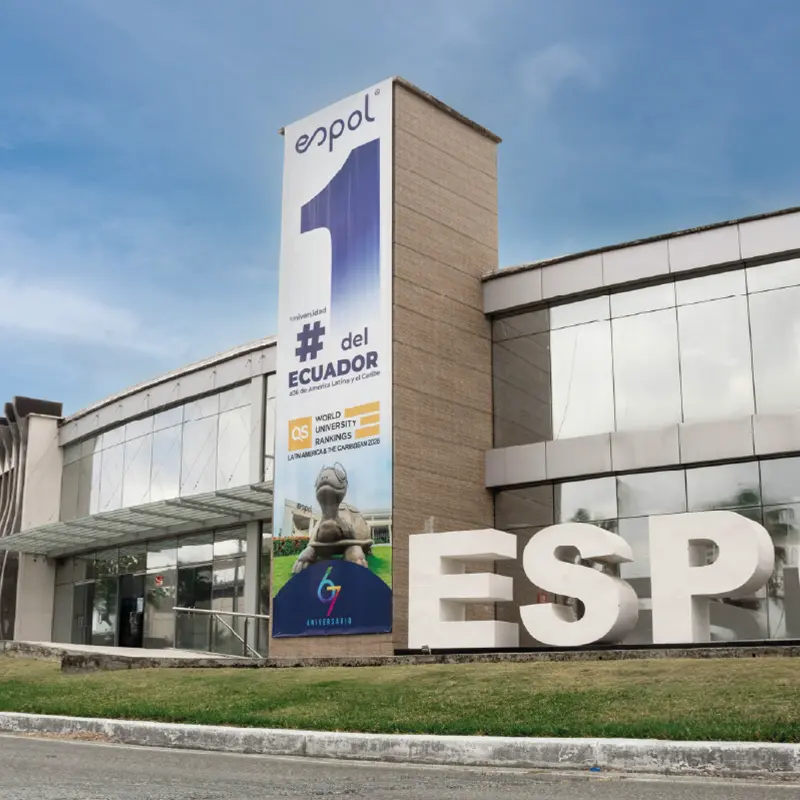
ESPOL, Gustavo Galindo Campus, Edificio STEM
Guayaquil, Ecuador
CLOSING DATE
SVG
Abstract submission deadline
08 de march de 2026
CLOSING DATE
SVG
Abstract approval deadline
22 de march de 2026
CLOSING DATE
SVG
Registration deadline
15 de may de 2026

Image
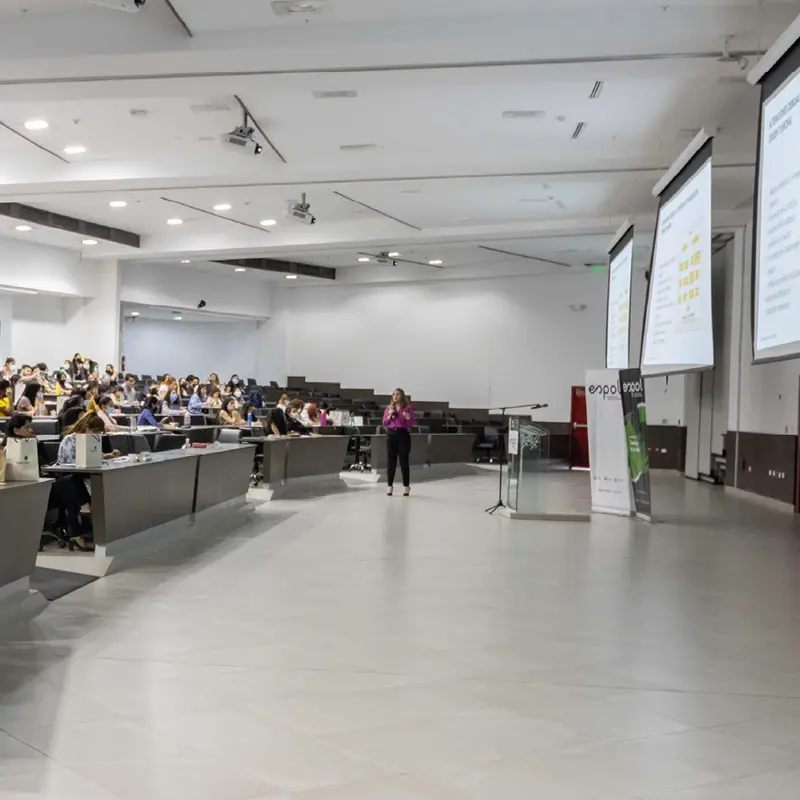
Call for Papers & Guidelines
Step 1
Step 2
Deadline: March 8, 2026
Image

Registration
Image
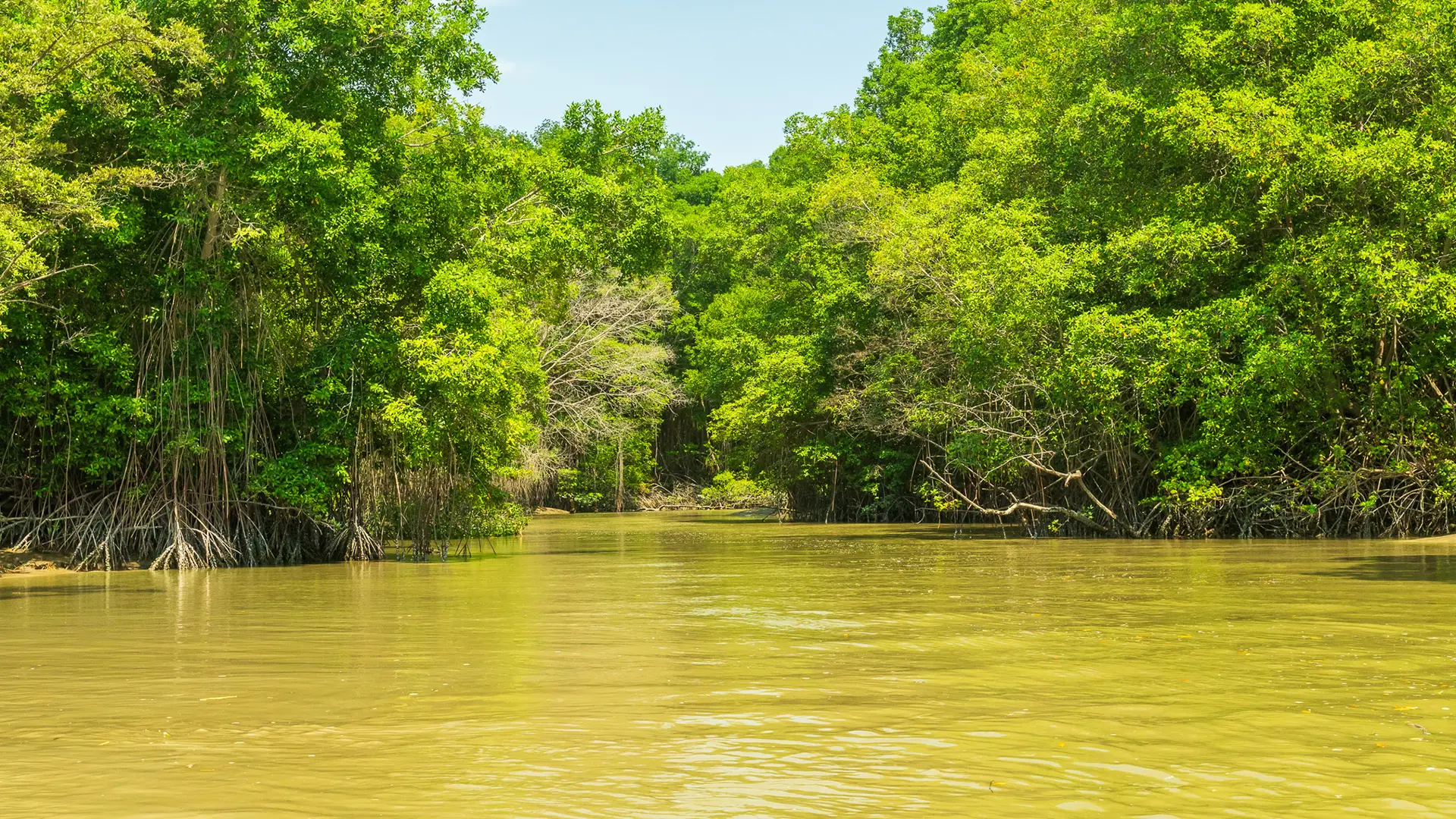
Being part of Planeta Manglar means driving real climate change solutions from one of the planet's most strategic ecosystems.
The time is now, and the place is Ecuador.
¡SECURE YOUR BOOTH & SHOWCASE YOU BRAND!
Aliados